
Sports Dietitian: The Nutrition Mistake Destroying Performance In Runners Over 40
➡️ Join The Endurance Lab Inner Circle on Telegram
👉 https://t.me/TheEnduranceLabInnerCircle
Many endurance athletes think getting leaner automatically means getting faster.But for masters runners, cyclists, and endurance athletes, there is a hidden problem that can quietly destroy performance: underfueling and low energy availability.
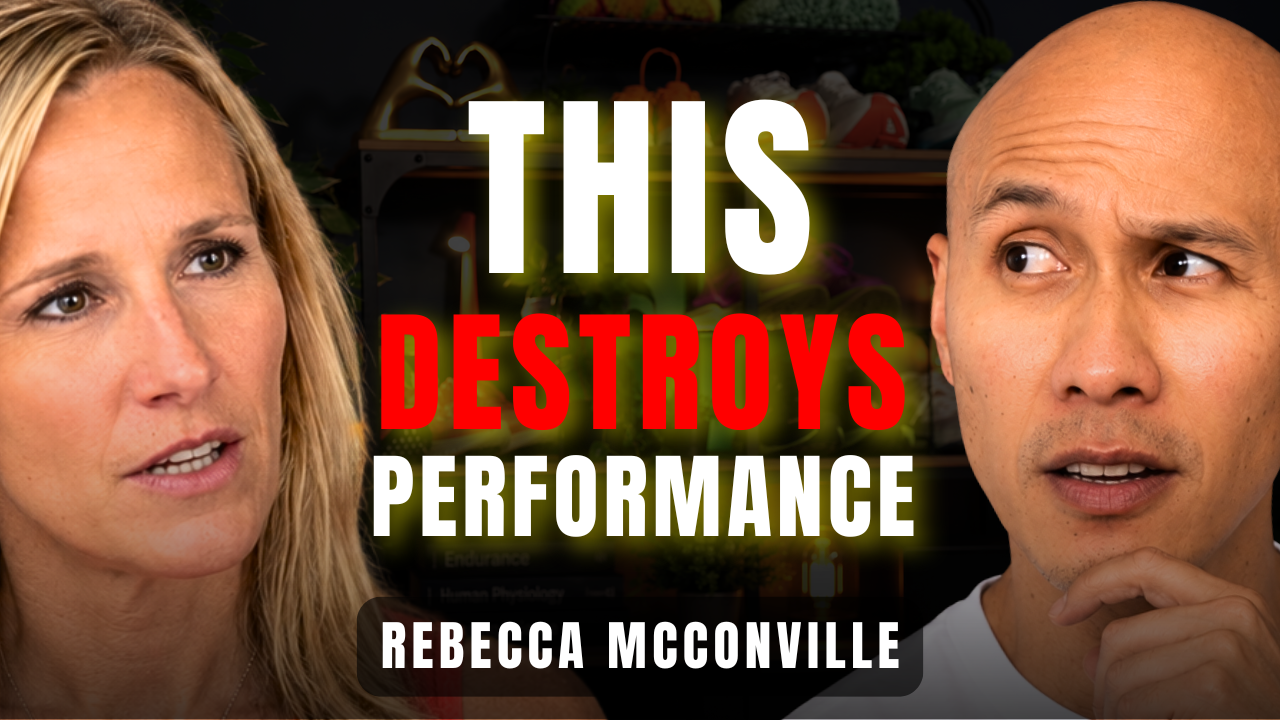
In this episode of The Endurance Lab, I speak with Rebecca McConville, MS, RD, LD, CSSD, CEDRD, a sports dietitian specializing in endurance nutrition, Relative Energy Deficiency in Sport (RED-S), athlete fueling, and eating disorder recovery.
Rebecca explains why RED-S is not just a problem affecting young female athletes, why masters athletes are often overlooked, and how trying to lose weight while increasing training volume can leave athletes stuck in a cycle of poor recovery, declining performance, and increased injury risk.
We discuss:
- What low energy availability actually means
- The difference between low energy availability and RED-S (Relative Energy Deficiency in Sport)
- Why masters athletes are increasingly vulnerable to underfueling
- The biggest nutrition mistake Rebecca sees in post-menopausal endurance athletes
- Why cutting carbohydrates can create problems even when calories appear sufficient
- Early warning signs of RED-S that athletes often mistake for normal aging
- How heart rate variability, resting heart rate, sleep, digestion, and recovery can reveal problems
- Whether fasted training actually improves endurance performance
- The truth about fat oxidation versus performance
- Keto diets, low carbohydrate availability, and bone health
- How endurance athletes can lose body fat without destroying performance
- How to recover from RED-S and return to healthy training
Rebecca shares her own experience as a masters athlete, mother, and endurance enthusiast, explaining why so many recreational athletes fall into the trap of trying to do more training while eating less.
Rebecca McConville works with athletes ranging from recreational endurance athletes to elite competitors, helping them understand the connection between nutrition, performance, health, and long-term athletic development.
Website:
https://beccamcconville.com
Rebecca’s book: Finding Your Sweet Spot: How to Avoid RED-S and Fuel Your Athletic Performance
https://www.amazon.com/dp/1091089051?lv=shuf&channelId=500&plpRedirect=mhFallback
Chapters
00:00 The hidden problem affecting masters athletes
02:30 What is low energy availability and RED-S?
04:54 Why calories are not the whole story
06:44 Are older athletes at risk of RED-S?
08:26 How athletes accidentally fall into underfueling
11:10 The long-term health consequences of chronic underfueling
13:11 Why aging can hide RED-S symptoms
14:20 Early warning signs you should not ignore
17:35 Digestion, sleep, immunity and RED-S symptoms
18:49 Can HRV and resting heart rate reveal underfueling?
20:46 Can you have low energy availability without symptoms?
21:52 Is fasted training actually beneficial?
23:28 Fat oxidation vs endurance performance
26:58 Keto diets, carbohydrates and RED-S risk
31:33 Losing body fat without destroying performance
35:03 How much energy do endurance athletes actually need?
36:27 How to recover from RED-S
39:07 Why carbohydrates matter during recovery
40:30 How long does RED-S recovery take?
44:37 Can you keep training while recovering from RED-S?
47:44 Finding help and working with RED-S specialists
50:41 The biggest nutrition mistake masters athletes make
51:35 The one nutrition change athletes should make today
52:24 What does endurance mean to Rebecca McConville?
