
The Recovery Mistake Runners Over 40 Keep Making
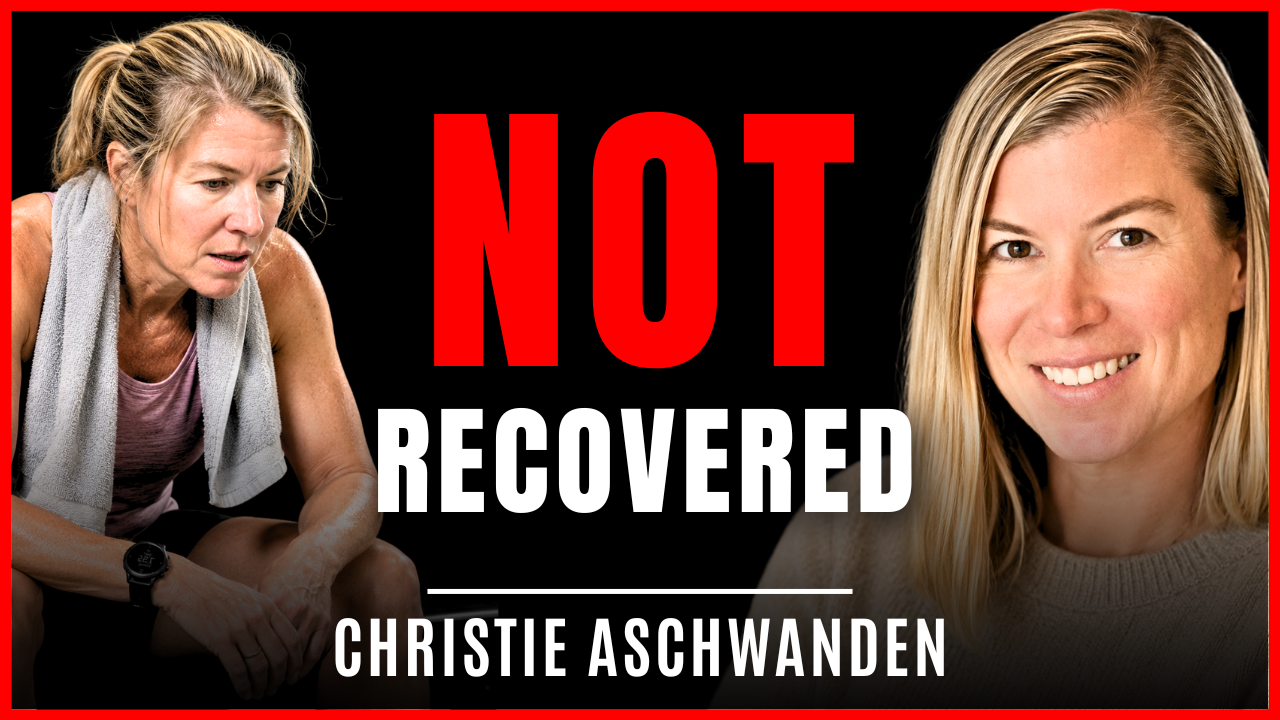
Recovery is a billion-dollar industry, but most athletes are still tired, sore, and unsure what actually works. In this episode of The Endurance Lab Podcast, I sit down with Christy Aschwanden — award-winning science journalist and author of the New York Times bestseller Good to Go — to cut through the hype and get brutally practical about the smartest recovery strategy according to science.
We talk about what “recovery” really means, why so many popular recovery tools are driven by marketing more than evidence, and how to train hard (especially in midlife) without digging a fatigue hole you can’t climb out of.
You’ll also learn:
• The difference between overreaching vs. overtraining (and why athletes confuse them)
• Why “more training” eventually stops working — and what to do instead
• The most overlooked recovery levers after the basics are handled
• How placebo and expectation can genuinely change what you feel
• How to use HRV without outsourcing your judgment to your wearable
• The biggest recovery myths that need to die (including supplements)
If you’ve ever felt overwhelmed by recovery advice or unsure whether you’re adapting or just accumulating fatigue, this conversation will give you a clearer framework — and a calmer way to train for the long game.
Chapters
0:00 Intro
1:08 Why Christy wrote Good to Go
3:30 Evidence-based recovery protocol
9:20 Other levers after sleep
18:44 Is volume or intensity harder to recover from?
21:05 Recovery for central nervous system fatigue vs peripheral muscular fatigue
24:22 Overreaching vs overtraining
25:30 Why recovery is more difficult as we age?
27:22 Leveraging the placebo effect to enhance recovery
29:48 HRV in the context of recovery
33:57 Recovery demands of fasted training
35:00 Is muscle soreness adaptation or injury?
41:51 Recovery myth that needs to die
